Tips & Guides for CIPD Success
Expert advice, study tips, and HR insights to help you ace your CIPD qualification.
Featured Articles

Kirkpatrick's Four Levels of Evaluation Explained for CIPD Students
Kirkpatrick's four levels help HR and L&D teams evaluate whether learning actually works. This guide explains reaction, learning, behaviour and results with CIPD assignment examples.

The Employee Lifecycle Explained for CIPD Students
The employee lifecycle shows how people experience an organisation from attraction to exit. This guide explains each stage, the HR role, useful metrics and how to apply it in CIPD assignments.
All Articles

SWOT Analysis Explained: How to Use It in CIPD Assignments
SWOT analysis is simple to remember, but easy to use badly. This guide shows CIPD students how to turn strengths, weaknesses, opportunities and threats into evidence-based assignment analysis.

New CIPD Assignment Briefs Are Coming in June 2026: Here's What to Expect
CIPD is releasing new assignment briefs for all units in June 2026. Here's what's changing, what it means for your studies, and how People Study Pro has already updated to help you succeed.

CIPD AI Policy: What It Says and What It Means for Your Studies
CIPD's AI policy sets clear rules about how students can and cannot use artificial intelligence in their written work. Here's exactly what the policy covers — and how to make sure your assignments are compliant before you submit.

CIPD Membership Levels Explained: From Student to Chartered Fellow
What does Assoc CIPD actually mean? Understand all the CIPD membership levels, what each designation signals to employers, and how your qualification links to your professional grade.

What Is Level 5 Equivalent To? UK Qualifications Explained
Level 5 qualifications sit between A-levels and a full degree. Understand what Level 5 is equivalent to, how it compares to degrees, HNDs, and NVQs, and what it means for your career in HR.
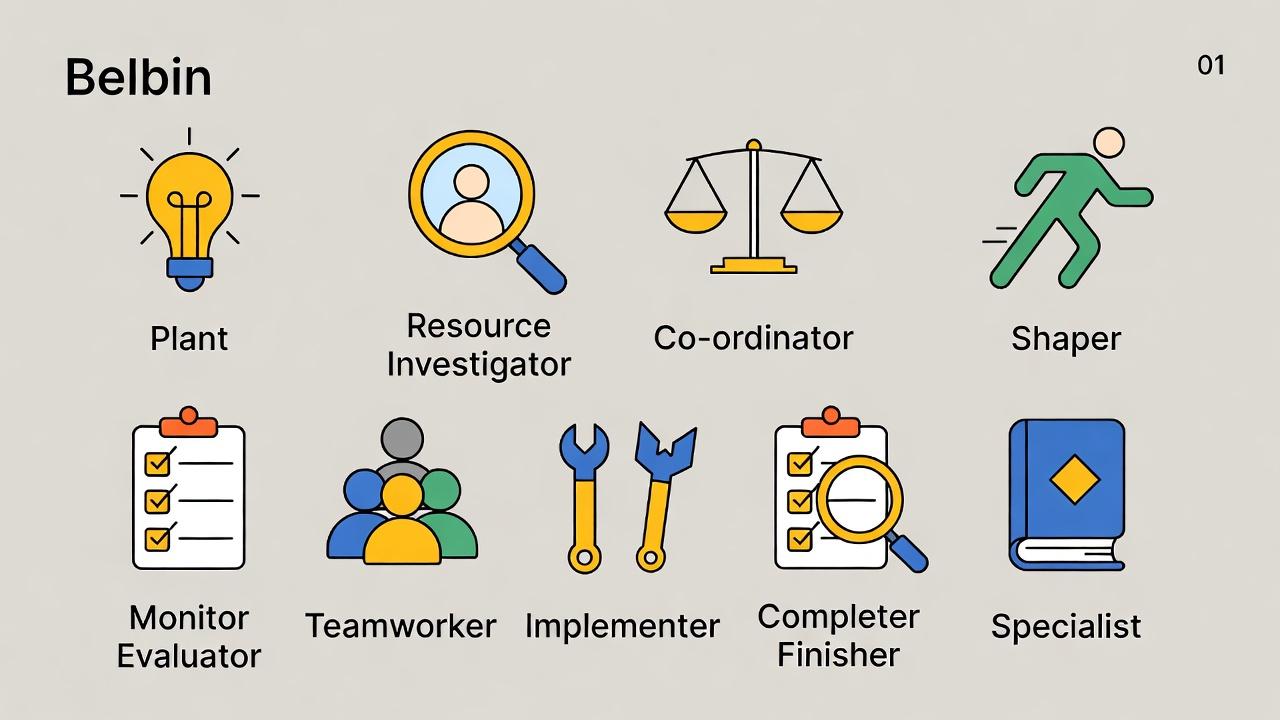
Belbin's Team Roles: A Complete Guide for People Professionals
Belbin identified nine team roles that explain how individuals contribute to team performance. Learn each role, how to use the model in practice, and how to apply it in your CIPD assignments.